As construction evolves into a more digitized, integrated, and data-centric process, advanced BIM and Scan to BIM technologies have emerged as the bedrock of modern architectural and engineering marvels.
From airports to hospitals to data centers, these five global cities have taken major strides in adopting BIM at scale, showcasing advanced strategies that are reshaping the built environment. These five groundbreaking projects showcase how far we’ve come and where we’re headed when it comes to precision, efficiency, sustainability, and innovation in the built environment.

Use Case
Design and execution of one of the world’s largest airport terminals with intricate mechanical, electrical, and plumbing (MEP) coordination, sustainability goals, and operational efficiency.
Strategy
Singapore’s Changi Airport terminal 5 is a prime example of Integrated Digital Delivery (IDD), a national strategy combining BIM, digital fabrication, and FM systems. The project used high-resolution laser scanning to capture real-world site conditions, which were converted into highly accurate BIM models. These models were used from early-stage design through to long-term asset management.
Advanced 4D and 5D simulations (time and cost dimensions) were applied to manage sequencing, safety analysis, and procurement workflows. Teams across countries collaborated in real-time using cloud-based BIM platforms, ensuring consistency and minimizing delays.
Highlight
Digital twins of critical components such as baggage handling systems and HVAC were simulated for peak load testing. The project also included AI-powered passenger flow simulations and predictive modeling for emergency scenarios, making it one of the most digitally intelligent airport infrastructures to date.

Use Case
High-rise construction that demanded precision coordination among structural steel, façade engineering, and vertical logistics in a densely populated urban site.
Strategy
The Shard’s unique tapering geometry and complex form required a parametric BIM approach using tools like Autodesk Revit and Rhino-Grasshopper. The team incorporated laser scanning and point cloud data during early design phases to ensure accurate site analysis and fit-for-purpose foundation engineering.
One of the defining features of this project was the off-site fabrication of steel modules, coordinated through the BIM model to avoid clashes. The BIM data was also leveraged for logistics simulation including crane operation sequences and delivery routing to optimize construction timelines in the tight urban setting.
Highlight
BIM helped synchronize prefabricated steel assemblies from multiple international manufacturers. Its use also extended into post-construction for energy modeling, building performance analysis, and maintenance planning, exemplifying lifecycle BIM.

Use Case
Redevelopment of a major international airport while remaining fully operational requiring exceptional planning and spatial coordination.
Strategy
The LaGuardia Terminal B redevelopment, a multi-billion-dollar project, relied heavily on Scan to BIM workflows to capture existing structural, mechanical, and utility systems. Because the airport had to remain open during construction, precise as-built models were essential to phase work around daily operations.
The team used Autodesk BIM 360 and Navisworks for collaborative clash detection, sequencing, and quality control. A federated BIM model acted as a central digital source for all stakeholders including architects, engineers, contractors, and airport authorities.
Highlight
Scan-to-BIM was pivotal for identifying previously undocumented elements of the older terminals, which were over 60 years old. BIM not only helped avoid expensive rework, but also allowed for phased demolition and reconstruction, ensuring minimal disruption to air traffic and passenger services.

Use Case
Construction of a futuristic, elliptical building with complex curved geometry, requiring custom fabrication and real-time validation.
Strategy
Museum of the Future pushed the boundaries of computational design, utilizing generative modeling tools (like Dynamo and Grasshopper) to develop a form that would have been nearly impossible using traditional methods. Each panel of the façade, inscribed with Arabic calligraphy, was individually modeled in BIM and manufactured off-site using robotic arms.
Scan-to-BIM was employed throughout the construction lifecycle for continuous quality assurance. After each stage of fabrication and installation, laser scans were performed to verify tolerances against the digital model. This loop helped prevent geometric deviations and allowed quick corrective feedback.
Highlight
The project became a symbol of BIM’s potential by combining parametric logic, fabrication-driven design, and digital construction tracking. The final structure functions as both a smart building and a living data model, integrating IoT systems for environment and occupancy control.

Use Case
Creation of a flagship public building that embodies sustainability, digital literacy, and user-centric space design.
Strategy
Helsinki’s OODI Library leveraged BIM for far more than design coordination. It was used for energy modeling, thermal simulations, and even sound propagation analysis to ensure acoustic comfort. The model was integrated with an IoT-based Building Management System (BMS) to control lighting, heating, and ventilation based on real-time usage patterns.
The library also embraced open BIM standards (IFC) to ensure interoperability with various software and systems. The city deployed a Scan-to-BIM validation process during construction to ensure that the final built form matched the original digital twin.
Highlight
Oodi now functions as a smart building, where occupancy sensors feed data back into the BIM model, allowing adaptive space management and predictive maintenance. It’s a clear example of how BIM can extend far beyond construction into long-term civic innovation.
These five projects reveal a future where the built environment is no longer static, but dynamic where structures are born digitally and evolve through real-time data and intelligent systems. Whether it’s through automating fabrication, simulating energy performance, or orchestrating construction in challenging environments, these architectures embody the promise of BIM and Scan to BIM as transformative forces in modern design and construction.
As digital infrastructure continues to merge with physical spaces, BIM will be the linchpin of a truly smart, efficient, and sustainable built world.
Discover more of our innovative blogs

Delivering BIM Excellence Around the World

BIM Builds Data Centers
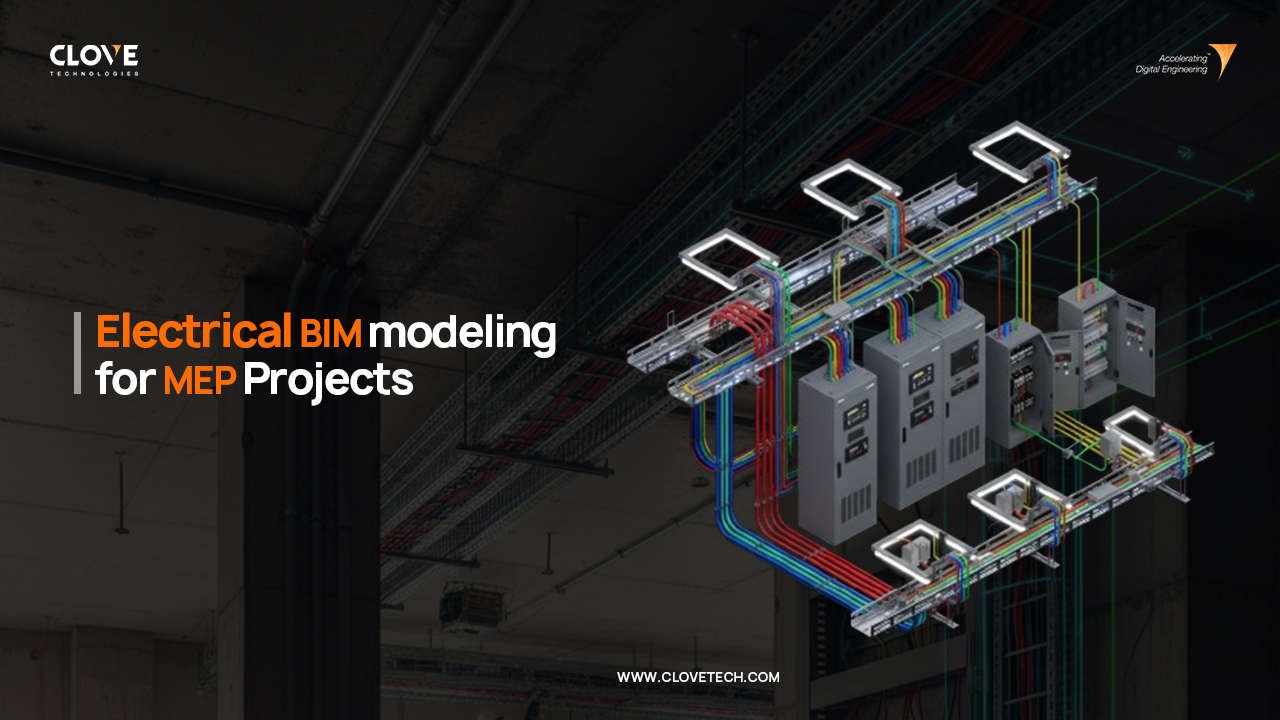
How Electrical BIM Modeling Improves Coordination in MEP Projects
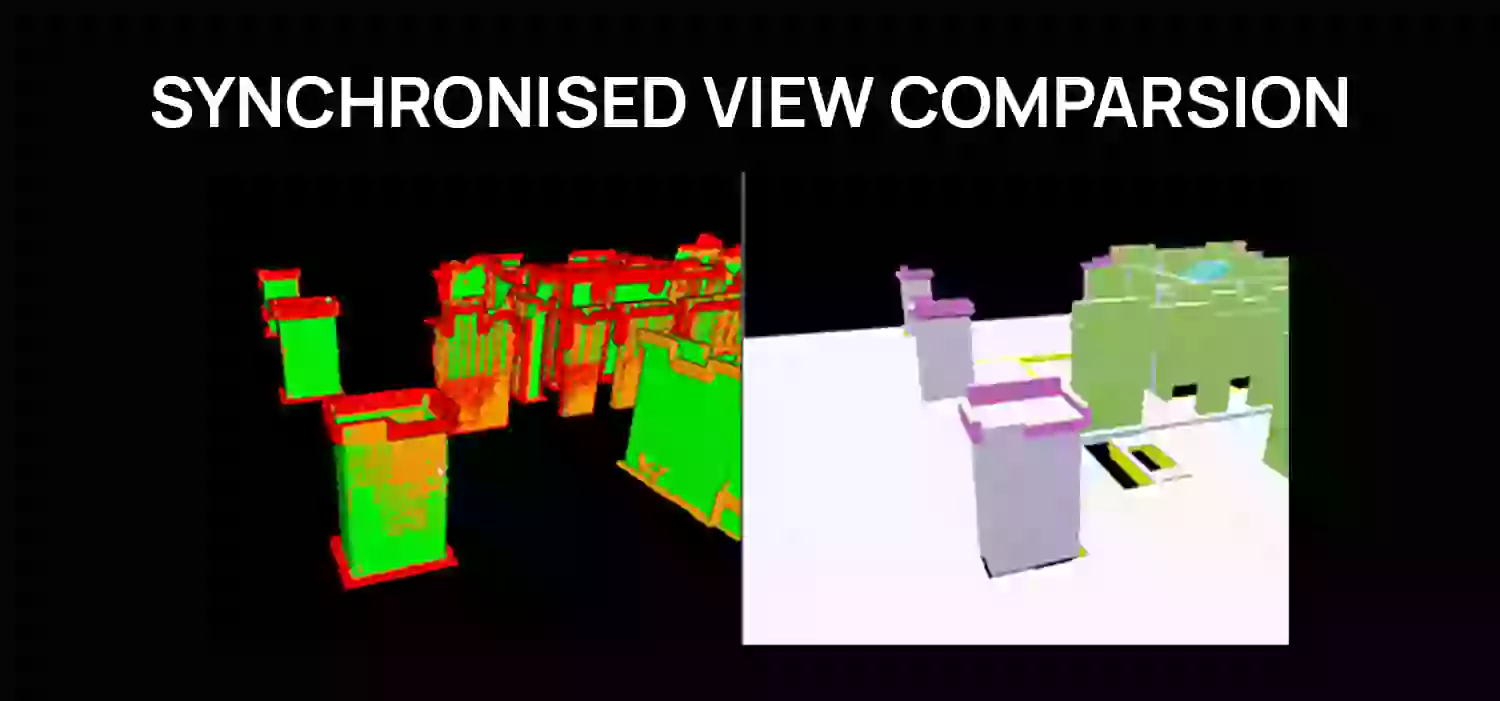
BIM Deviation Analyzer
Let's Talk
Let’s discuss your requirements and see how our expertise can help on your next project.