
In the U.S. construction industry, rework and miscommunication often lead to significant project delays and cost overruns. According to industry reports, rework can account for up to 30% of total project costs, primarily due to design errors and coordination issues.
This is where Building Information Modeling (BIM) comes into play. BIM isn’t just a 3D modeling tool, it’s a collaborative process that enables contractors, architects, and engineers to work together seamlessly, reducing rework and improving overall project outcomes.
In this article, we’ll explore how BIM helps U.S. contractors reduce rework and improve collaboration, while enhancing project efficiency and profitability.
Building Information Modeling (BIM) is a digital representation of a building’s physical and functional characteristics. It allows all project stakeholders to share a single, coordinated model that integrates design, construction, and operational data.
For U.S. contractors BIM provides a centralized platform that supports decision-making across the project lifecycle from concept to construction and even facility management.
Key BIM Components:
- 3D Modeling – Visual representation of all building elements.
- 4D Scheduling – Time-based project sequencing.
- 5D Cost Estimation – Real-time cost data integration.
- 6D Sustainability – Environmental performance insights.
Rework often occurs due to miscommunication, design clashes, and inaccurate data. BIM directly addresses these pain points by providing a shared, data-driven environment that ensures everyone works with the most up-to-date information.
a) Early Clash Detection
BIM tools like Navisworks and Revit detect design conflicts between structural, MEP, and architectural elements during the preconstruction phase. By identifying these issues early, contractors can avoid costly on-site changes and delays.
b) Accurate Construction Sequencing
With 4D BIM simulation, contractors can visualize each stage of construction, ensuring proper scheduling and coordination among teams. This minimizes overlapping tasks and prevents schedule-based rework.
c) Improved Design Accuracy
BIM ensures design integrity through parametric modeling when one element changes, related components automatically update. This minimizes manual errors and design inconsistencies that often lead to rework.
d) Enhanced Quality Control
BIM enables contractors to track material specifications, tolerances, and performance metrics, ensuring construction adheres to design intent. The result? Fewer mistakes and better-quality outcomes.
Effective collaboration is the cornerstone of successful construction projects. BIM connects every stakeholder owners, architects, engineers, and contractors through a cloud-based common data environment (CDE).
a) Centralized Information Sharing
All project information, from RFIs to design revisions, is stored in a single BIM platform. This transparency ensures that every team member has access to the latest data, reducing miscommunication and version conflicts.
b) Real-Time Coordination
Using cloud-based BIM platforms like Autodesk BIM 360, multiple teams can work simultaneously on a single model. This real-time collaboration fosters faster decision-making and improves productivity.
c) Better Owner and Stakeholder Engagement
With BIM visualization tools, project owners can view 3D models and walkthroughs, making it easier to understand design intent and provide feedback early in the process.
d) Integration with Other Technologies
BIM integrates seamlessly with IoT, AR/VR, and AI to enhance collaboration and on-site accuracy. For example, augmented reality (AR) can overlay BIM models on real-world construction sites, enabling faster issue resolution.
These quantifiable results make BIM adoption a strategic necessity for U.S. construction contractors looking to stay competitive and deliver high-quality projects efficiently.

Several leading U.S. contractors, such as Turner Construction, Skanska, and DPR Construction, have successfully implemented BIM to streamline project workflows.
For instance, Turner Construction reported a 25% reduction in project rework after integrating BIM-based clash detection and real-time coordination on major infrastructure projects.
As the construction sector continues to digitize BIM adoption is expanding beyond design coordination to full lifecycle management. With advances in AI-driven BIM automation and digital twins, U.S. contractors are moving toward smarter, data-driven construction environments that minimize rework and maximize collaboration.
Ready to reduce costly rework and improve project collaboration with BIM?
Our BIM experts can help your construction team streamline workflows and enhance efficiency.
Schedule a Free BIM Consultation Today!
Discover more of our innovative blogs

ISO 19650 Certified: Clove Technologies BIM Excellence
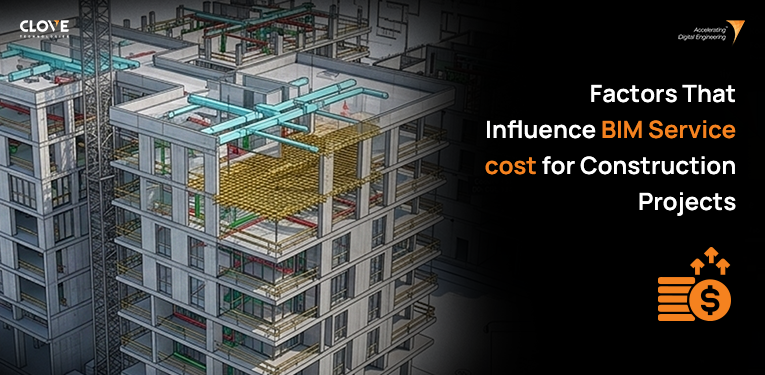
Factors That Influence BIM Service cost for Construction Projects

Transforming AEC with NavVis – Clovetech Experience as Early Adopters

How BIM Outsourcing can Transform your AEC Workflow
Let's Talk
Let’s discuss your requirements and see how our expertise can help on your next project.