
The AEC industry is experiencing a major shift. Complex projects, tighter deadlines, and the demand for greater accuracy have pushed traditional workflows to their limits. In this environment new technologies aren’t just helpful, they are essential. Our journey with NavVis Reality capture technology began with a simple belief: that the future of AEC lies in accurate data, seamless collaboration, and digital first execution. As early adopters we weren’t just looking for incremental improvements we wanted a breakthrough that would redefine how we deliver projects.
This decision to embrace NavVis has transformed the way we approach scan-to-BIM, digital twins, indoor mapping, and facility management. What started as an investment quickly became a turning point in how we think, plan, and build.
NavVis is a leading reality capture and digital twin technology provider that develops advanced mobile mapping systems and software. Using SLAM (Simultaneous Localization and Mapping) and LiDAR scanning, NavVis devices such as the NavVis VLX and M6/MLX capture highly accurate 3D point clouds, panoramic imagery, and geospatial data of complex indoor and outdoor environments.
This technology enables professionals in theAEC(Architecture, Engineering, and Construction) industry to create digital twins, BIM models, and as-built documentation, driving accuracy, efficiency, and collaboration across all project phases.
AEC firms commonly face
• Inaccurate legacy documentation leading to expensive rework
• Delays due to slow surveying and manual modeling
• Poor collaboration caused by outdated data
• Gaps in as-built records impacting facility management
NavVis directly addresses these challenges by delivering survey-grade, centimeter-level accurate reality capture data that integrates seamlessly into BIM and project management workflows.
When we first implemented NavVis Technology, our goal was clear: deliver more value to clients by bridging the gap between physical spaces and digital models. As early adopters, we continuously experimented, innovated, and seamlessly integrated NavVis into diverse real-world applications, including
Scan-to-BIM for large-scale projects – delivering accurate 3D BIM models faster than ever.
Facility management integration – creating digital twins that simplify asset tracking andmaintenance.
Construction progress monitoring – capturing frequent, detailed site scans to keep stakeholders aligned.
Indoor mapping for complex environments – ensuring accurate navigation and documentation of large facilities.
This hands-on experience allowed us to set industry benchmarks and demonstrate how NavVis workflows reduce errors, shorten project timelines, and ultimately save costs.
Explore one of our flagship project here : NavVis Utilization in Health care
Becoming an early adopter of NavVis reality capture technology gave us more than just a competitive advantage; it taught us valuable lessons about change, integration, and innovation. Some of the biggest takeaways from our journey include
• Adoption requires cultural change: Introducing NavVis was not just a technical shift but also a mindset shift. Teams had to adapt from working with 2D drawings to thinking in immersive 3D environments.
• Client education is crucial: Many clients were amazed at the data NavVis could provide but needed guidance on how to use it effectively in design, construction, and operations.
• Integration unlocks real value: NavVis becomes most powerful when integrated with BIM platforms, facility management software, and project collaboration tools, making data actionable rather than just impressive.
• Speed creates new opportunities: Capturing and delivering data faster than ever meant we could take on larger, more complex projects without stretching resources.
These lessons continue to shape how we deploy NavVis today and how we design workflows for future projects.
At Clovetech, we’ve seen how NavVis reality capture technology redefines the way AEC projects are delivered from Scan to BIM and digital twins to facility management and progress monitoring.
If you’re looking to
• Eliminate costly rework
• Accelerate project timelines
• Improve collaboration
• Enhance facility lifecycle management
• Implement high-accuracy scan-to-BIM workflows
Clovetech can help you leverage NavVis to unlock measurable project performance gains.
Transform your next project with data-driven precision. Partner with Clove Technologies and experience the power of NavVis.
Discover more of our innovative blogs

What is Navisworks? A Complete Guide for BIM and Construction Professionals
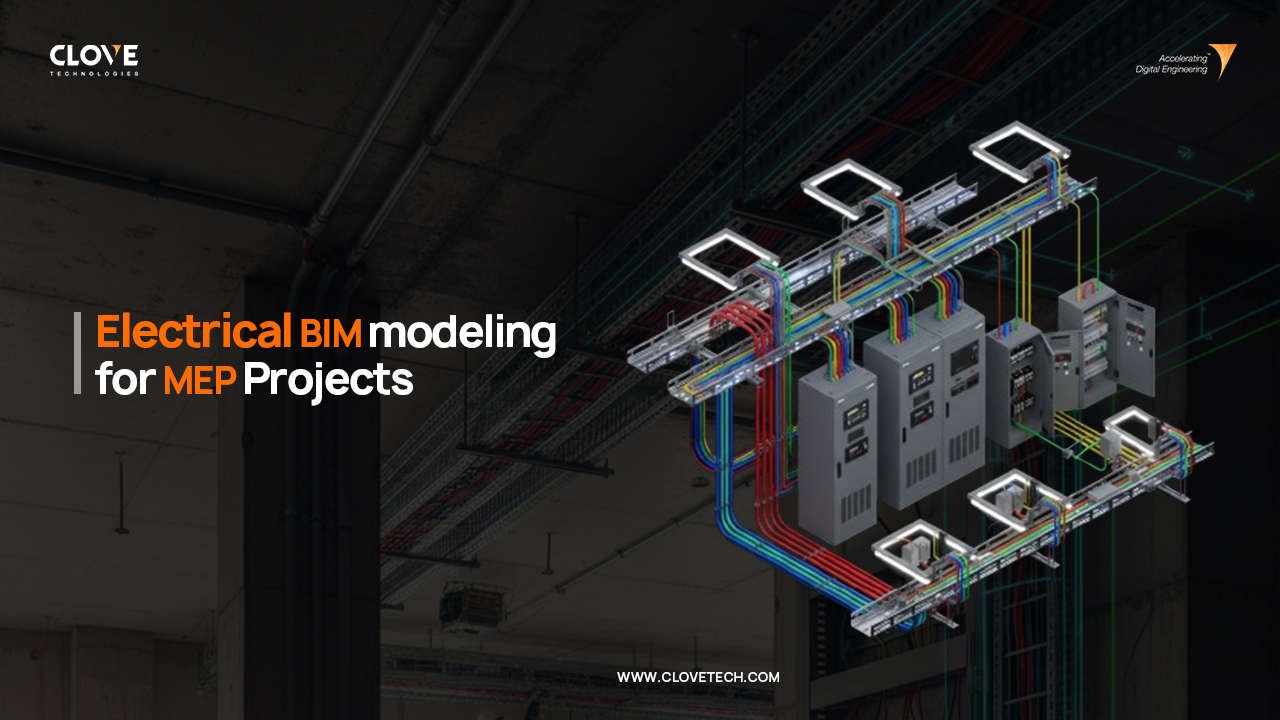
How Electrical BIM Modeling Improves Coordination in MEP Projects

ISO 19650 Certified: Clove Technologies BIM Excellence

BIM for Earthquake Resilience: How Structural BIM Is Transforming Seismic-Safe Construction in the U.S
Let's Talk
Let’s discuss your requirements and see how our expertise can help on your next project.