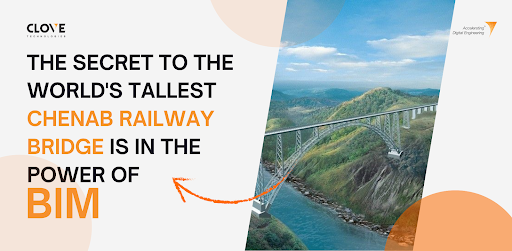
High over the powerful Chenab River, between the Himalayan terrains that are rugged, is the Chenab Bridge a testament to human drive, determination, and engineering prowess. At a height of 359 meters (1,178 feet) over the river bed, it is the world’s tallest railway arch bridge, a part of Udhampur Srinagar Baramulla Rail Link (USBRL) in Jammu & Kashmir, India.
But behind its breathtaking height and scenic majesty is a lesser told tale of how BIM (Building Information Modeling) played a key role in making this impossible dream a working reality.
Height: Higher than the Eiffel Tower
Span: 467 meters over a deep gorge
Materials: More than 25,000 tonnes of steel utilized
Wind Resistance: Capable of withstanding wind speeds of up to 266 km/h
Seismic Stability: Designed to weather Zone-V earthquakes
Building such a building in a seismically active, geologically complicated area was not merely an engineering feat; it required precision, coordination, and real time decision making. That’s where BIM came in.
1. What Role Did 3D Modeling and Scan-to-BIM Play in Design Accuracy?
The bridge was digitally recreated with 3D modeling and Scan-to-BIM workflows, giving engineers a precise virtual replica. This minimized design clashes, optimized the iconic steel arch, and reduced rework crucial in such inaccessible terrain.
2. Why Were BIM Simulations Critical for Construction Sequences?
By simulating construction steps, engineers planned fabrication, transportation, and hoisting of steel components in advance. This helped overcome logistical barriers in the Himalayas, ensuring safer and faster assembly.
3. How Did BIM Enable Structural BIM Analysis and Clash Detection?
The BIM model integrated wind loads, seismic analysis, and thermal expansion data, while advanced clash detection flagged conflicts between steel members, anchorage, and foundations, reducing costly errors.
4. In What Way Did BIM Improve Collaboration Across Stakeholders?
Structural, geotechnical, fabrication, and on-site teams worked from a single BIM platform, ensuring one source of truth. This eliminated version conflicts and streamlined communication across agencies.
5. What Made the Digital Twin of Chenab Bridge Significant?
The project extended BIM into a Digital Twin, enabling long-term asset monitoring, predictive maintenance, and safety management. This ensures that the Chenab Bridge is not just an engineering feat, but also a sustainable asset for decades.

- Remote Terrain: Reduced site rework through digital-first planning
- Extreme Climate: Enabled prefabrication and minimized weather disruptions
- High Safety Risks: Allowed upfront simulation to mitigate dangers
- Complex Logistics: Coordinated interdependent design, material flow, and construction
The Chenab Bridge stands as a landmark in engineering, proving how advanced digital tools like BIM, Scan-to-BIM, and Digital Twins can overcome extreme terrain, climate, and logistical challenges. Its success highlights a shift in AEC and railway projects toward precision-driven design, seamless stakeholder collaboration, and lifecycle-based asset management. Beyond being the world’s highest railway bridge, it serves as a model for how digital engineering can transform infrastructure delivery worldwide.
BIM converted the Chenab Bridge from blueprints to stunning reality. It enabled engineers to design fearlessly, construct intelligently, and complete successfully. With infrastructure getting increasingly complex and data intensive, the Chenab Bridge is a giant case study of the integration of civil engineering and digital technology.
At Clove Technologies, we bring the same level of digital precision and innovation to AEC projects as seen in the Chenab Bridge:

- 3D & 4D BIM – Accurate modeling and construction simulations
- 5D BIM – Smart cost-linked planning
- Seamless Collaboration – One platform, all stakeholders
- Digital Twins – Continuous monitoring & maintenance
- Geo-Intelligence – Optimized for challenging terrains
We turn engineering challenges into digital success stories.
Q1. What makes the Chenab Bridge the world’s highest railway arch unique?
The Chenab Rail Bridge stands taller than the Eiffel Tower, with a 467-meter steel arch across a gorge. Its design resists high winds, seismic loads, and extreme Himalayan conditions.
Q2. How did BIM specifically improve the construction of the Chenab Bridge?
BIM supported precise 3D modeling, sequence simulations for steel assembly, and clash detection between arch members, reducing costly errors and delays.
Q3. Why was Scan-to-BIM crucial in the Chenab project?
Scan-to-BIM captured accurate site and structural data, enabling engineers to recreate the arch digitally, optimize geometry, and detect clashes in a terrain where physical rework was nearly impossible.
Q4. How is a Digital Twin being used for the Chenab Bridge after construction?
The Digital Twin extends BIM into operation, enabling real-time monitoring, predictive maintenance, and safety planning turning the bridge into a long-term smart asset.
Q5. What can future mega-infrastructure projects learn from Chenab Bridge’s use of BIM?
They can adopt BIM, Scan-to-BIM, and Digital Twins to manage risks, ensure accuracy, and achieve sustainable construction in extreme or complex environments.
Discover more of our innovative blogs
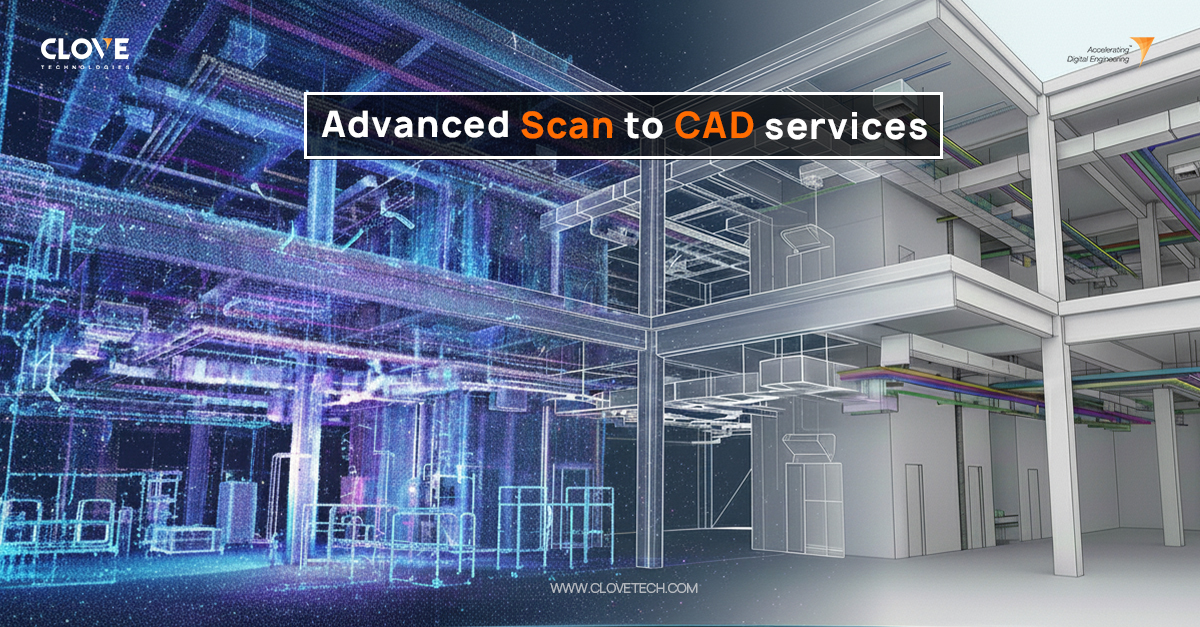
Reduce Project Timelines by 40% with our Advanced Scan to CAD Services
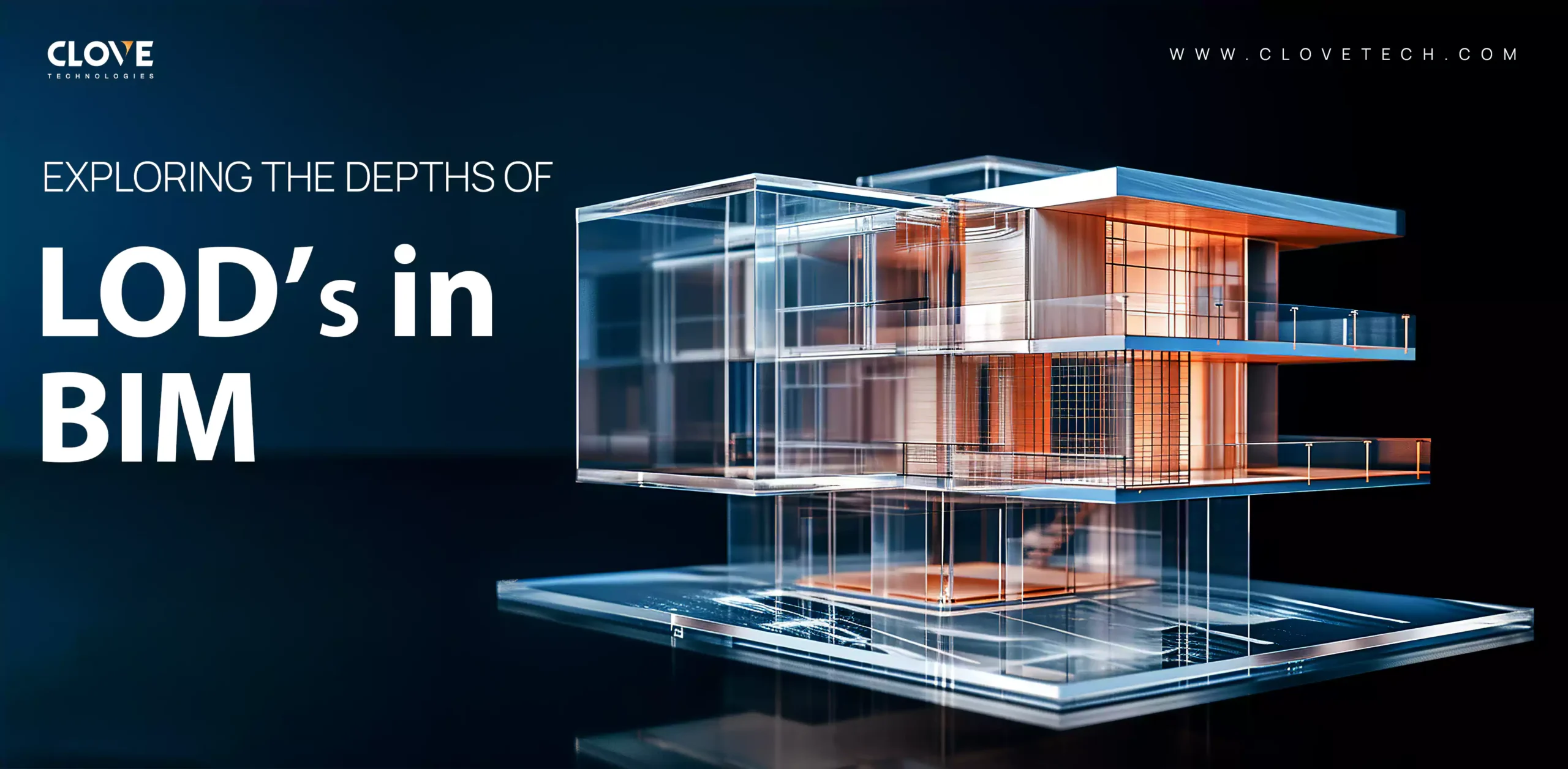
BIM LOD Explained: Understanding LOD 100 to LOD 500
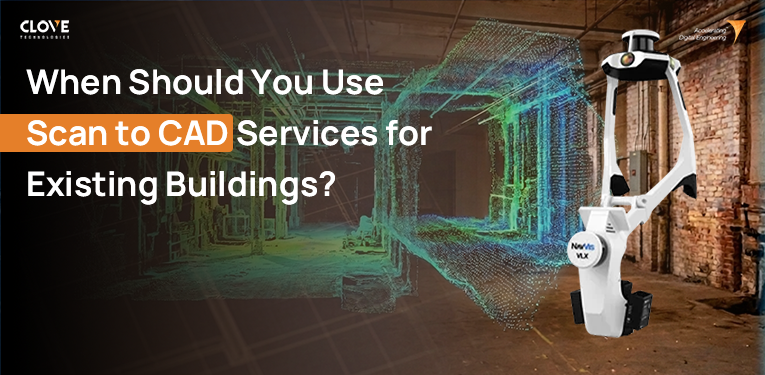
When Should You Use Scan to CAD Services for Existing Buildings?
How Electrical BIM Modeling Improves Coordination in MEP Projects
Let's Talk
Let’s discuss your requirements and see how our expertise can help on your next project.