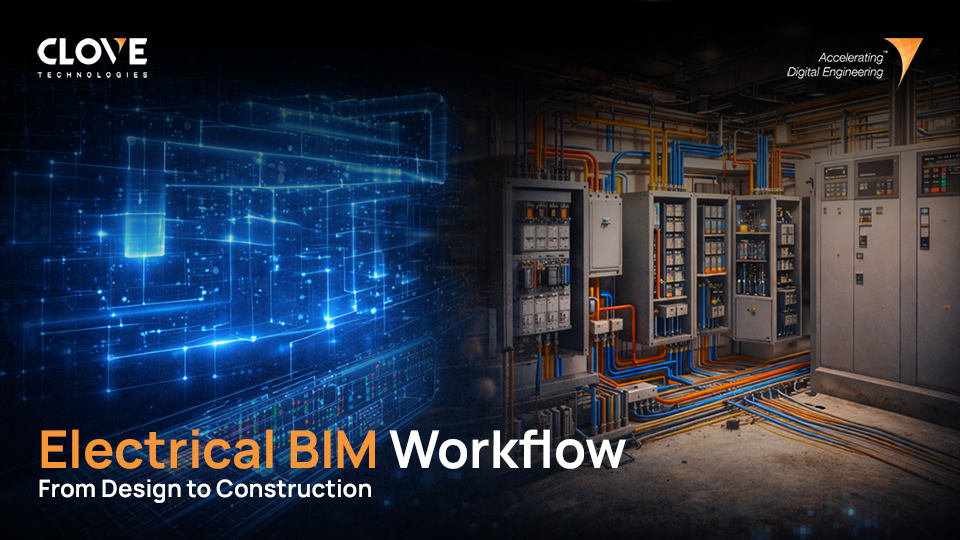
As construction becomes more digitally driven, integrating design intelligence with real-world execution is essential. Traditional 2D drawing approaches are being replaced by digital methodologies that empower teams with visualization, coordination, and data-driven insights. Electrical BIM plays an important role in transforming how electrical systems are planned, engineered, coordinated, and built. Clove Technologies, a trusted provider of electrical bim services, helps clients unlock this potential through an end-to-end digital workflow that ensures accuracy, efficiency, and cost control throughout a project’s lifecycle.
Electrical BIM (Building Information Modeling) is the digital representation of electrical infrastructure within a shared, data-rich 3D environment. Unlike traditional CAD drawings, BIM integrates geometry, spatial relationships, electrical specifications, and metadata into a unified model that can be accessed and analyzed by all project stakeholders. At Clove Technologies, this approach supports the detailed planning of lighting systems, power distribution, panels, conduits, cable trays, low-voltage networks, and creating a complete digital blueprint that drives subsequent decisions and execution.
The planning of a building’s electrical system takes place well before on-site construction. It involves a structured Electrical BIM modeling process that transforms 2D plans, schematics, and specifications into an intelligent 3D model.
At Clove Technologies, this process includes
• Data Extraction & Interpretation: Converting legacy drawings and design documents into digital formats with accurate electrical attributes already embedded.
• 3D Model Creation: Placing components like switchgear, panels, and cable trays into an intelligent 3D space that reflects real-world layouts and constraints.
• Parameter Enrichment: Adding detailed metadata like load capacities, wire types, conduit sizes, and equipment ratings that supports analysis and decision-making.
• Integration with Other Systems: Aligning electrical elements with architectural, structural, HVAC, plumbing, and fire systems to ensure a fully integrated building model.
This modeling process ensures that designs are not only visually accurate but also logically consistent and ready for coordination.
The next critical phase in the workflow is Electrical BIM coordination, a collaborative approach that blends electrical design with other building disciplines to prevent conflicts and optimize performance. Coordination transforms independent models into an integrated digital ecosystem where clashes are detected and resolved early, rather than in the field.
Key benefits of this phase include
• Clash Detection & Resolution: Advanced BIM platforms identify spatial conflicts between electrical routes and structural or mechanical systems before construction starts, reducing delays and costly rework.
• Optimized Routing: Electrical conduits, cable trays, and power pathways are intelligently routed to support maintenance access, installation feasibility, and constructability.
• Integrated Team Communication: By sharing federated models between architects, engineers, and contractors, teams can collaborate in real time and make decisions with full visibility of impacts on the entire project.
Once modeling and coordination are complete, the focus shifts to field execution, where the digital model becomes a practical tool for construction teams. The Electrical BIM construction workflow ensures the transition from virtual planning to actual implementation is seamless and precise.
Here’s how this workflow supports construction
• Construction Documentation: BIM models automatically generate detailed construction deliverables like installation drawings, panel schedules, and material takeoffs that are consistent with the coordinated design.
• Clash-Free Installation: With conflicts already addressed in the digital model, electrical teams can install systems with confidence, minimizing downtime and rework.
• Prefabrication & Shop Drawings: Builders can leverage the model to produce prefabricated assemblies and shop drawings that align precisely with site conditions, reducing labor and improving quality.
• Real-Time Field Feedback: If field conditions change or adjustments are needed, updates can be reflected in the BIM model and communicated to all stakeholders immediately, maintaining alignment across design and construction teams.
This digital-to-physical continuity is the core component of a robust electrical BIM construction workflow.
Electrical BIM’s value isn’t limited to design and construction, it extends into operations, maintenance, and facility management. By preserving the BIM model as part of as-built documentation, building owners and operations teams gain a digital twin of the electrical infrastructure. This data empowers maintenance planning, system upgrades, performance tracking, and compliance verification long after the project is complete.
Clove Technologies is a leading provider of electrical bim services, distinguished by its commitment to excellence and extensive expertise in digital construction solutions. Here’s what makes our approach effective:
• End-to-End Support: From initial design modeling to construction execution and as-built deliverables, we cover the entire process from initial design modeling to construction execution and as-built deliverables.
• Advanced Tools & Workflows: Our team uses industry-standard BIM platforms and coordination best practices that enhance accuracy and interoperability.
• Global Experience: We serve diverse clients across geographies and project scales, delivering scalable, coordinated electrical models aligned with international standards.
• Reduced Risk & Cost: By minimizing clashes, rework, and delays, our electrical BIM services help clients adhere to budgetary constraints and schedule commitments.
Discover more of our innovative blogs

MEP Clash Detection & Coordination Services in Texas: Ensuring Seamless Construction with Clove Technologies

Reduce Project Timelines by 40% with our Advanced Scan to CAD Services

Lixel K2: The Complete Guide to Next-Generation Reality Capture
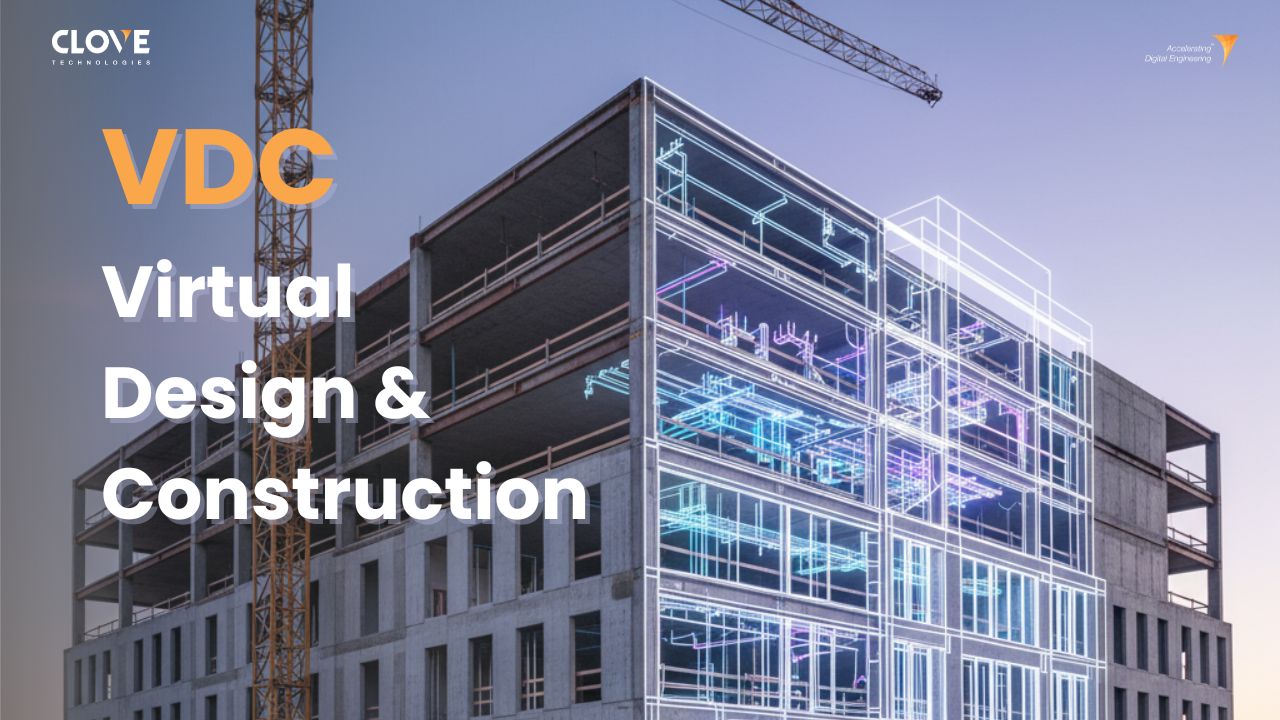
Understanding VDC: Why Virtual Design and Construction Matters Now
Let's Talk
Let’s discuss your requirements and see how our expertise can help on your next project.