Asset Intelligence
Build a Trusted Asset Intelligence Foundation for Long-Term Operational Success

Centralize Asset Information and Unlock Asset Intelligence for Smarter Operations, Lifecycle Visibility, and Better Decision-Making
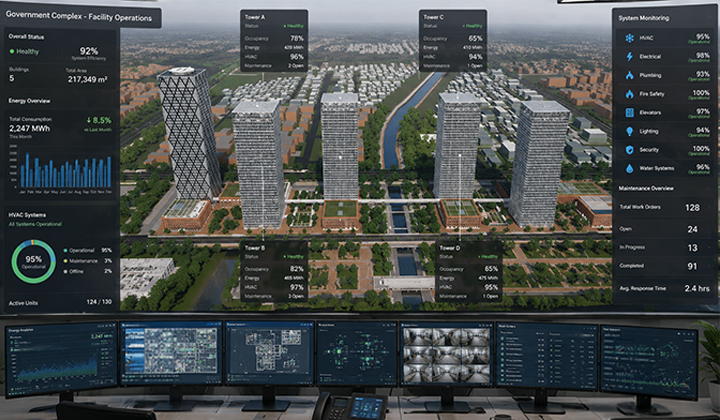
Asset Intelligence enables organizations to centralize, structure, and manage asset information throughout the asset lifecycle. By connecting asset records, metadata, documentation, BIM models, GIS data, and operational systems into a single trusted environment, organizations gain greater visibility, improve data quality, and make informed decisions. Clove Technologies helps asset owners build a strong digital foundation that supports efficient operations, lifecycle management, compliance, maintenance planning, and future Digital Twin initiatives.


Asset Inventory & Registry
Create and maintain a centralized repository of asset information.
learn moreAsset Classification & Tagging
Standardize assets using structured naming, tagging, and classification systems.
learn moreMetadata & Information Management
Organize and manage asset attributes, documentation, and operational information.
learn moreLifecycle Tracking
Monitor assets throughout planning, construction, operations, maintenance, and renewal.
learn moreBIM-GIS Asset Integration
Connect asset information across BIM, GIS, and enterprise systems.
learn moreDigital Asset Repository
Establish a centralized, searchable source of asset information for all stakeholders.
learn moreAsset Data Quality & Governance
Ensure accurate, consistent, and trusted asset information.
learn moreOUR OFFERINGS





FAQ
Asset Intelligence is the process of centralizing, organizing, and managing asset information to provide greater visibility, control, and insight across the asset lifecycle. It connects asset data, documentation, BIM models, GIS information, and operational systems into a single trusted environment.
Asset Information Management ensures that asset data remains accurate, accessible, and up to date throughout the asset lifecycle. It helps organizations improve decision-making, streamline operations, support compliance requirements, and reduce information silos.
Asset Information Management can include asset inventories, technical specifications, maintenance records, inspection reports, BIM models, GIS datasets, drawings, warranties, operational data, and lifecycle documentation.
By maintaining a centralized and structured repository of asset information, organizations can track assets from planning and construction through operations, maintenance, upgrades, and eventual replacement, ensuring data continuity throughout the lifecycle.
An Asset Inventory and Registry is a centralized repository that stores critical information about physical assets, including asset identifiers, locations, classifications, specifications, and operational history, providing a single source of truth for asset management.
BIM-GIS integration combines detailed engineering information from BIM models with the spatial context of GIS data. This enables organizations to visualize, locate, manage, and analyze assets within their real-world environment.
Centralized asset information reduces time spent searching for data, improves collaboration between teams, enhances maintenance planning, and enables faster, more informed operational decisions.
A Digital Asset Repository is a centralized environment where asset information, documents, drawings, BIM models, GIS data, and operational records are stored, managed, and accessed by stakeholders throughout the asset lifecycle.
Let's Talk
Let’s discuss your requirements and see how our expertise can help on your next project.