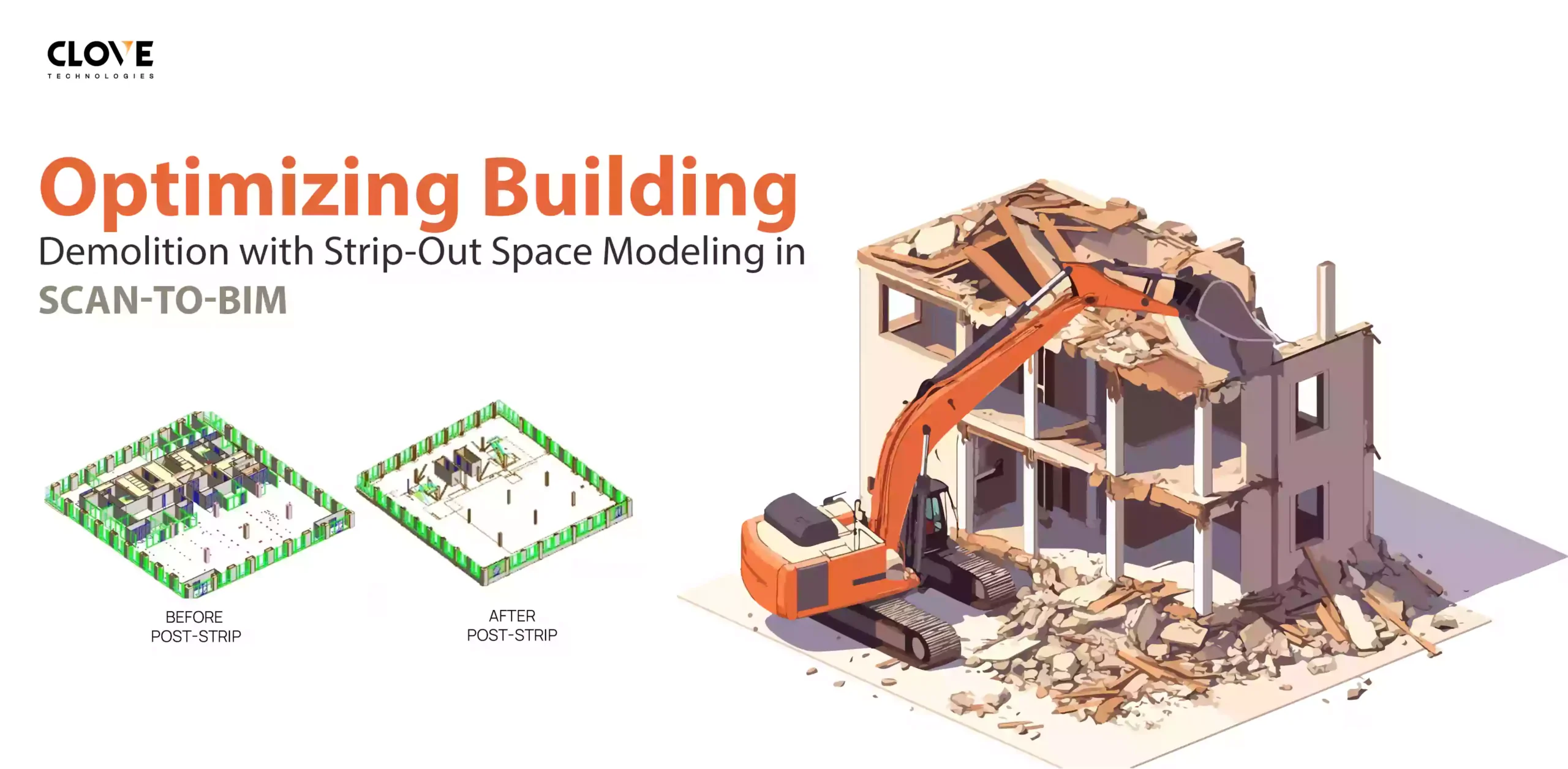
Demolition is a critical stage in the lifecycle of buildings, demanding meticulous planning to ensure safety, cost efficiency, and minimal environmental impact. Traditional methods often rely on outdated paperwork, which can lead to inefficiencies, safety hazards, and resource wastage.
Scan-to-BIM technology has transformed this process by providing precise, comprehensive digital representations of existing structures. Within this framework, strip-out space modeling allows detailed planning and simulation of selective demolition, optimizing waste management and resource allocation.
Strip-out space modeling involves creating detailed 3D models of areas and materials designated for selective demolition. Its main purpose is to identify and separate components such as partitions, fixtures, mechanical systems, and reusable materials. Key steps include:
-
Data Acquisition:
Leveraging laser scanning, LiDAR, photogrammetry, or other 3D scanning techniques to capture as-built conditions accurately. -
Model Development:
Converting point cloud data into BIM compatible 3D models that classify structural elements and materials. -
Demolition Simulation:
Integrating structural analysis and material inventories to simulate the strip-out process, enhancing planning and efficiency.
Scan-to-BIM converts real-world building conditions into precise digital models. For demolition projects, this approach provides stakeholders with a digital twin, enabling:
-
Enhanced Accuracy:
Accurate as-built documentation reduces uncertainties and prevents unintended damage to surrounding areas. -
Waste Reduction & Sustainability:
By cataloging reusable materials, strip-out modeling promotes recycling, reuse, and circular economy practices. -
Cost Efficiency:
Optimized planning reduces unexpected expenses, maximizes labor and equipment utilization, and helps recover costs through salvageable materials. -
Improved Safety:
Visualization of hazardous zones and detailed scheduling of demolition activities enhances worker safety and ensures regulatory compliance.
Take your demolition planning to the next level with Scan-to-BIM and Strip-Out Space Modeling. Partner with a trusted BIM service provider to boost efficiency, reduce waste, and ensure safety in every project.
Contact us today to explore how advanced 3D modeling can transform your demolition workflow and deliver measurable results.
Discover more of our innovative blogs

Top MEP BIM Service Provider in Texas for Electrical, Plumbing & HVAC Systems

Digital Twins and the Metaverse: Exploring New Opportunities in AECO
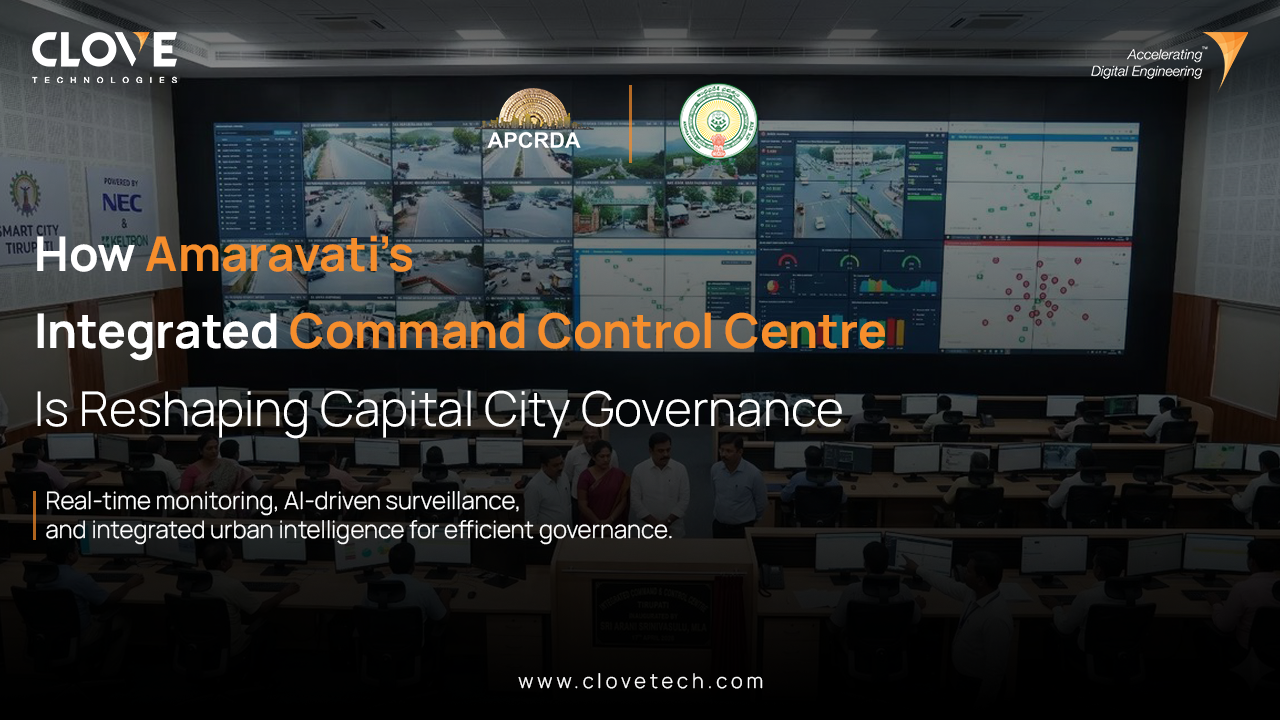
How ICCC Technology Is Revolutionizing Governance in Amaravati
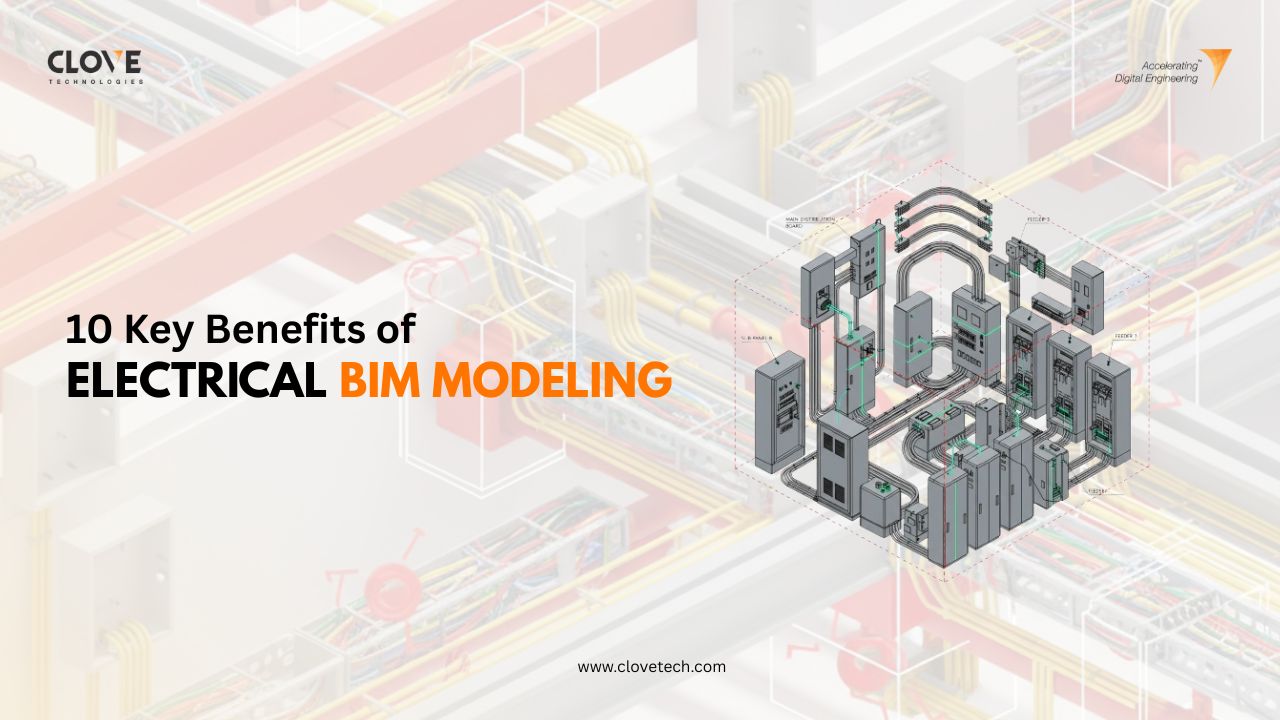
10 Key Benefits of Using Electrical BIM in MEP Projects
Let's Talk
Let’s discuss your requirements and see how our expertise can help on your next project.