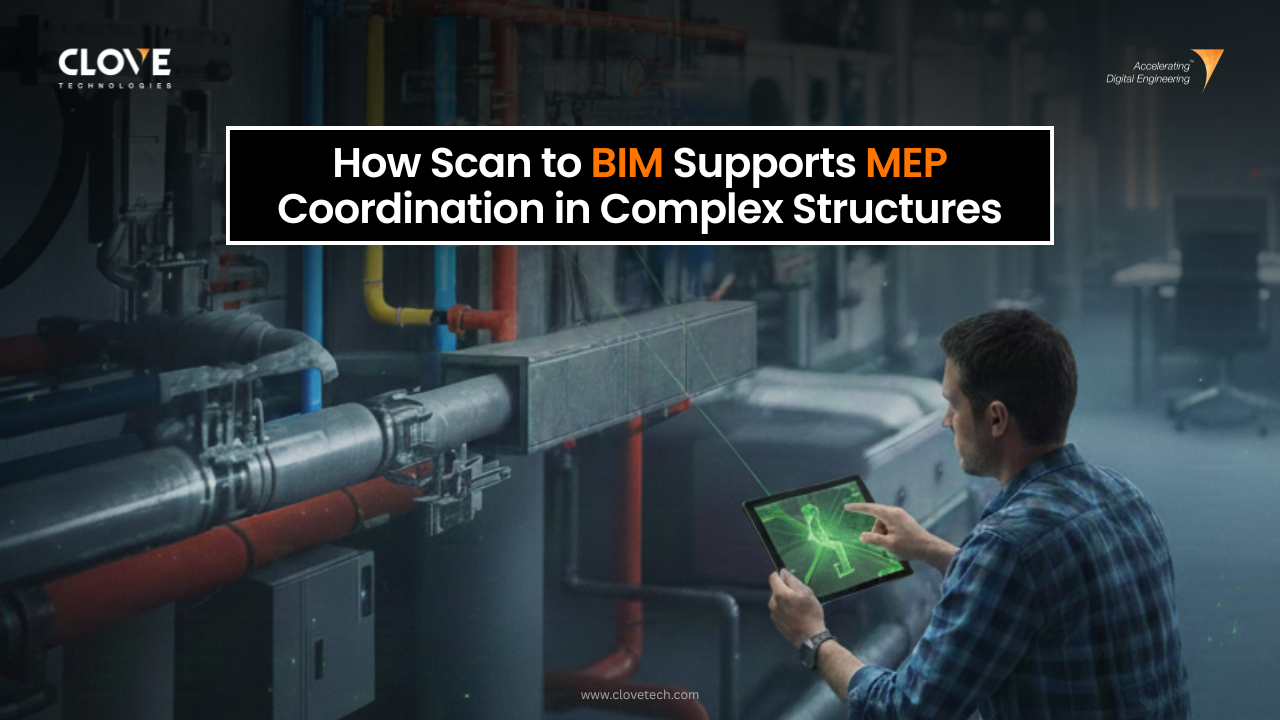
Building Information Modeling has transformed how modern construction projects are planned, designed, and delivered. Among the many disciplines integrated into BIM workflows, Plumbing BIM plays a critical role in ensuring water supply, drainage, and waste systems function efficiently within a building. However, like any advanced digital system, it has its set of challenges. In this blog, we explore the most common plumbing BIM issues faced by AEC professionals and offer practical strategies to overcome them, helping your projects progress efficiently, reduce rework, and enhance collaboration across teams.
Month: January 2026
Electrical BIM Workflow : From Design to Construction
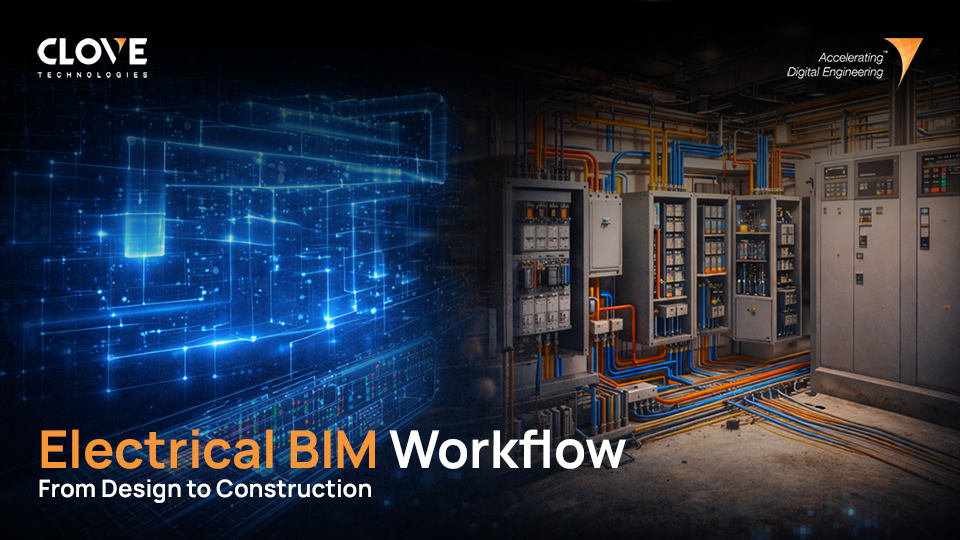
As construction becomes more digitally driven, integrating design intelligence with real-world execution is essential. Traditional 2D drawing approaches are being replaced by digital methodologies that empower teams with visualization, coordination, and data-driven insights. Electrical BIM plays an important role in transforming how electrical systems are planned, engineered, coordinated, and built. Clove Technologies, a trusted provider of electrical bim services, helps clients unlock this potential through an end-to-end digital workflow that ensures accuracy, efficiency, and cost control throughout a project’s lifecycle.
Mechanical BIM Services: What to Expect from a Professional BIM Partner

The Role of Scan to BIM in the Digital Transformation of Construction

The construction industry is undergoing a significant shift, driven by digital technologies that improve efficiency, reduce risks, and enhance project outcomes. Among these innovations, Scan to BIM has emerged as one of the most impactful tools for modern construction workflows. By converting real-world building conditions into accurate digital representations, Scan to BIM in construction is enabling better decision-making, precise planning, and improved collaboration throughout the project lifecycle.
Today, advanced 3D Laser Scanning and modeling technologies allow contractors, architects, and engineers to work with detailed data that was once difficult or impossible to obtain. As a result, organizations across the world including those managing renovation, retrofit, and complex infrastructure projects are increasingly adopting Scan to BIM in Construction to support digital transformation initiatives.